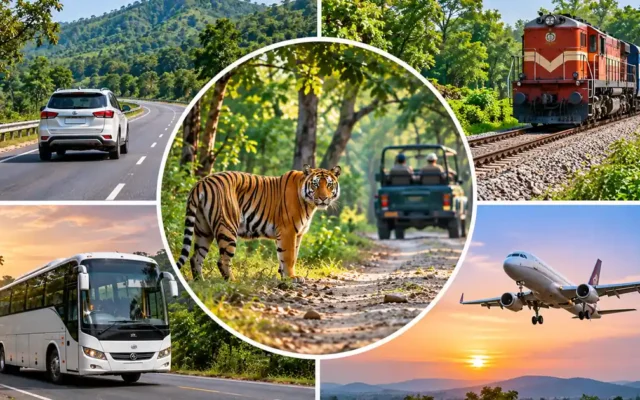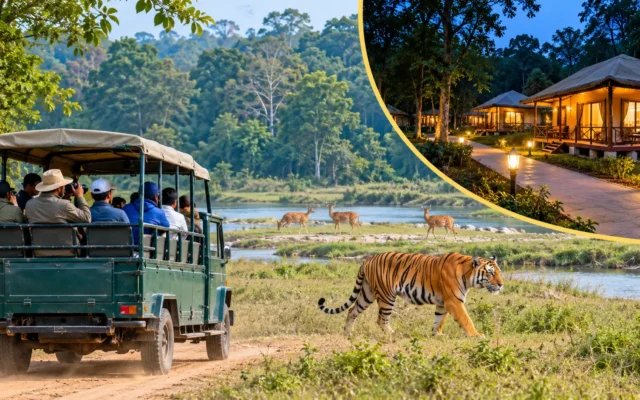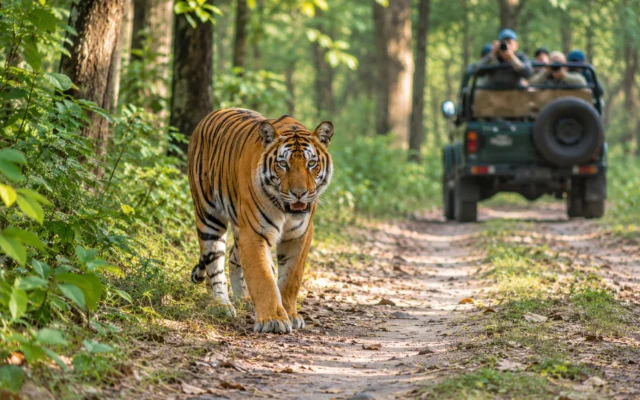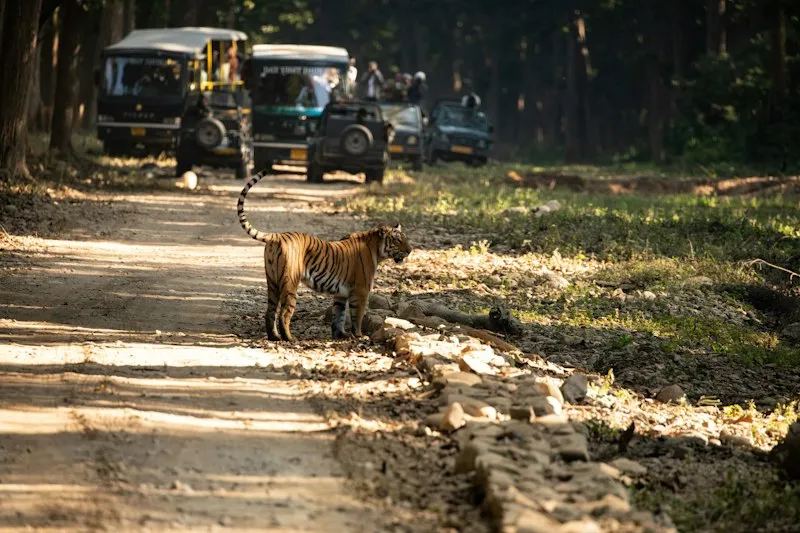
Planning a wildlife holiday and stuck on the question “which zone should I pick?” You are not alone. The Jim Corbett safari zones are the first thing every traveller has to understand, because the zone you choose decides your tiger sighting chances, your stay location, the type of vehicle you get, the season you can visit and even how early you must book. Pick the right zone and your trip becomes unforgettable. Pick the wrong one and you may end up with a dull safari or, worse, a closed gate.
Jim Corbett National Park is India’s oldest national park, established in 1936, and the birthplace of Project Tiger in 1973. The tiger reserve spreads across more than 1,200 square kilometres of sal forests, grasslands, hills and the Ramganga river valley in Uttarakhand. To manage tourism, the park is divided into several safari zones, each with its own entry gate, routes, scenery and rules.
In this complete guide, we explain every major Corbett safari zone in simple language, compare them side by side, and help you choose the best safari zone in Jim Corbett for your travel style.
Quick Answer: Which Is the Best Safari Zone in Jim Corbett?
There is no single “best” zone for everyone, but here is the short version:
- Bijrani Zone: Best for first-time visitors and for good tiger sighting chances on a short trip.
- Dhikala Zone: Best for the full jungle experience, grasslands, elephants and an overnight stay inside the park.
- Jhirna Zone: Best for travellers who visit outside the main season, since it is known for operating through most of the year.
- Dhela Zone: Best for a quieter, less crowded safari with a fresh feel.
- Durga Devi Zone: Best for birdwatchers and nature lovers who prefer a peaceful, remote forest.
Overview of the Jim Corbett Safari Zones
Before the zone-by-zone details, here is a quick comparison table.
| Zone | Known For | Vehicle | Best For | Stay Nearby |
|---|---|---|---|---|
| Bijrani | Popular tiger-sighting zone, lush sal forest | Jeep | First-timers, families | Ramnagar resorts |
| Dhikala | Grasslands, Ramganga reservoir, elephants | Canter and jeep | Full-park experience, overnight stay | Dhikala forest rest house or Ramnagar |
| Jhirna | Year-round access, sloth bear, leopard, birds | Jeep | Off-season trips, budget plans | Ramnagar, Jhirna belt |
| Dhela | Newer zone, lesser crowds | Jeep | Peaceful safaris | Ramnagar, Dhela belt |
| Durga Devi | Birds, river views, remote forest | Jeep | Birders, photographers | Ramnagar, northern belt |
Please remember that opening dates, vehicle availability and rules are decided by the park authorities and can change. Always confirm the latest status before you finalise your plan.
Bijrani Zone: The Most Popular Corbett Safari Zone
Ask any local guide about the best safari zone in Jim Corbett for first-timers, and the answer is very often Bijrani. This zone is close to Ramnagar town, enters through the Amdanda gate, and offers a beautiful mix of dense sal forest, open grassy patches and water holes.
Why Choose Bijrani
- Easy to reach from Ramnagar, which saves travel time
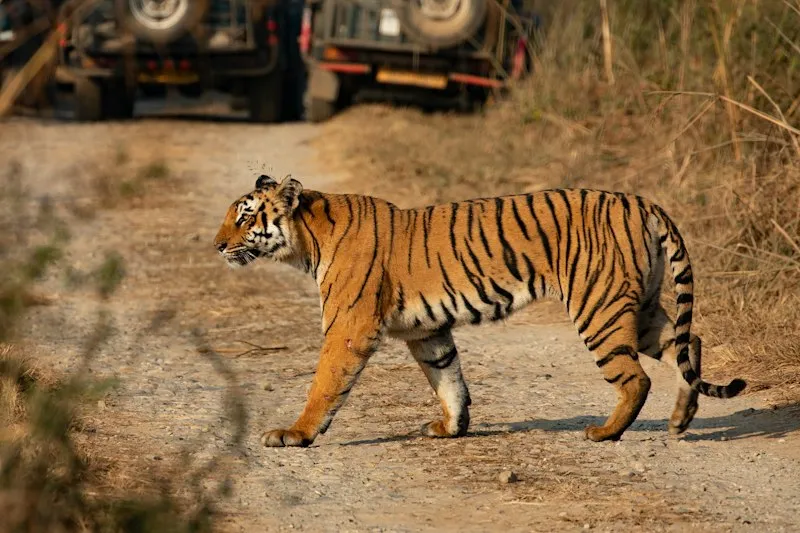
- A well-known zone with consistent tiger sighting chances during the season
- Beautiful landscapes that photograph well in the soft morning light
- Wide range of resorts nearby for every budget
- Great for families because of the short approach
Wildlife You Can Spot in Bijrani
Along with the Bengal tiger, visitors often see spotted deer, sambar, wild boar, langurs, peacocks and many bird species. Leopards and elephants are seen less often, but sightings are possible.
Things to Keep in Mind
Because Bijrani is popular, safari slots fill up fast, especially on winter weekends and holidays. Book well in advance. If you are travelling from the capital and want a ready-made plan, take a look at our Jim Corbett jeep safari package from Delhi, which covers the safari booking, stay and transfers together.
Dhikala Zone: The Heart of Jim Corbett
The Dhikala zone is the crown jewel among all Jim Corbett safari zones. Located deep inside the park, it overlooks the Ramganga reservoir and is famous for its vast grasslands, where you can watch herds of elephants, deer and, with luck, a tiger crossing the open plains.
Why Choose Dhikala
- A true wilderness feel with open grasslands and river views
- Excellent for elephants, gharials, crocodiles, deer and birds
- The only zone known for overnight stays inside the core forest, through forest rest houses
- Both canter and jeep safaris are possible, subject to rules
- Ideal for serious wildlife enthusiasts and photographers
Entry and Booking Rules
Entry to Dhikala is usually through the Dhangarhi gate, and the journey to the interior takes time on forest roads. Because of limited rooms and entry permits, advance booking is essential, and rules for day visits and overnight stays differ. You can read the full process, permit details and tips in our detailed guide on Dhikala canter safari and night stay booking.
If you want a pre-arranged option, explore our Dhikala canter safari package from Delhi or the night stay in Jim Corbett page for stay options inside the forest.
Who Should Pick Dhikala
Choose Dhikala if you have at least two nights to spare, love the feeling of being deep inside the forest, and do not mind simple facilities in exchange for a very special experience.
Jhirna Zone: The Year-Round Option
The Jhirna zone is a favourite for travellers who cannot visit during the peak winter and spring season. It is known as the safari zone that stays open for most of the year, which makes it useful for monsoon-season planning and off-peak trips.
Why Choose Jhirna
- Open through much of the year, though you should always confirm current status
- Good chances of seeing sloth bears, leopards, deer and many birds
- Less crowded than Bijrani during peak days
- Good option when other zones are closed
- Usually a budget-friendly choice
Wildlife and Scenery
Jhirna has mixed forest, hills and dry riverbeds, which make a beautiful backdrop. Birdwatchers especially enjoy it because of the variety of resident and migratory species.
Things to Keep in Mind
In the rainy season, roads can be slippery and sightings may be harder because the vegetation is thick. Set realistic expectations and treat the trip as a nature experience rather than a guaranteed tiger hunt. Our guide on the best time to visit Jim Corbett National Park for tiger safari explains how each season changes your chances.
Dhela Zone: The Peaceful Newcomer
Dhela is among the newer additions to the list of Corbett safari zones, and it has quickly become popular among travellers who want a fresh and quieter forest experience. The zone offers a good mix of forest, streams and grassy stretches, and it generally sees fewer vehicles than the busiest zones.
Why Choose Dhela
- Quieter safaris with a more private feel
- Scenic drives through shady forest
- A good alternative if Bijrani is fully booked
- Suitable for families and photographers
Things to Keep in Mind
Because the zone is newer and the routes are limited, always check the latest rules, entry gate details and seasonal timings before you book.
Durga Devi Zone: For Birds and Quiet Forest Walks
Located in the northern part of the park, the Durga Devi zone is known for its peaceful atmosphere, river views and rich birdlife. It is a good pick for visitors who care more about nature and photography than about a rushed tiger-spotting schedule.
Why Choose Durga Devi
- Excellent for birdwatching and landscape photography
- Calm environment with fewer crowds
- Scenic views of the Ramganga river valley
- Good fit for travellers who enjoy a slow, relaxed safari
Wildlife Highlights
Expect plenty of birds, deer, langurs and, with patience and luck, signs of larger predators. Pair this zone with a stay on the northern side of the park to avoid long drives.
What About Sitabani and Other Areas?
Apart from the main zones, the Corbett landscape includes buffer areas such as Sitabani, which offers a calm forest experience and is also popular for birdwatching and nature walks. These areas are usually not the first choice for tiger sightings, but they work well as an add-on to a longer trip. Ask your travel planner for the latest list of open areas during your travel dates.
Corbett Safari Zones Compared by Traveller Type
| Traveller Type | Recommended Zone |
|---|---|
| First-time visitor with a short trip | Bijrani |
| Wildlife lover with 2-3 nights | Dhikala |
| Visiting in monsoon or off-season | Jhirna |
| Want fewer crowds | Dhela |
| Birdwatchers and photographers | Durga Devi or Dhikala |
| Families with kids | Bijrani or Jhirna |
| Senior citizens | Bijrani (shorter approach) |
Jeep Safari vs Canter Safari in Jim Corbett
Many visitors also wonder which vehicle suits them. A jeep safari is a private or small-group vehicle, usually carrying up to six people, and is considered better for flexibility and photography. A canter safari is a larger open vehicle that seats more people and is generally the more budget-friendly option per person. In some zones, one of the two may not be available, so check the availability for your chosen zone. For help deciding, read about our Jim Corbett jeep safari package from Delhi and compare it with our canter option.
Safari Timings and Shifts
Jungle safaris in the Jim Corbett safari zones usually run in two shifts, a morning shift that begins around sunrise and an afternoon shift that ends before sunset. Exact timings change with the season, so always confirm them in your booking. Morning shifts are cooler and generally preferred for wildlife activity, while afternoon shifts are good for golden light and warm-weather sightings.
How to Book a Safari in Any Corbett Zone
- Finalise your dates and zone. Match your dates to the zone’s opening season.
- Prepare ID proofs. A valid government ID is needed for every guest, and foreign nationals need a passport.
- Book online in advance. Safari permits are booked through the official forest department system, and slots for popular dates can disappear weeks before.
- Choose a stay near the gate. This reduces early-morning travel and helps you reach on time.
- Reach the gate early. Safari entry has fixed timings, and late arrivals may lose their slot.
If you are travelling from the capital, our guide on how to reach Jim Corbett from Delhi covers the road, train and bus options in detail.
Tips for a Successful Jungle Safari
- Dress in earthy tones. Choose green, brown or khaki, and avoid bright colours.
- Stay silent and calm. Wildlife sightings depend on patience and quiet.
- Carry binoculars and a camera. A zoom lens helps for distant sightings.
- Layer up in winter. Open vehicles can be very cold in the early morning.
- Follow your guide. Never step out of the vehicle or feed animals.
- Do not expect a guaranteed tiger. The tiger is a wild animal, and every safari is a fresh adventure.
For serious photographers, our Jim Corbett wildlife photography tour package is designed with photography-friendly timings and zones in mind.
Frequently Asked Questions (FAQs)
1. How many safari zones are there in Jim Corbett?
Jim Corbett has several tourism zones, with the main ones being Bijrani, Dhikala, Jhirna, Dhela and Durga Devi. Additional areas such as Sitabani and Garjiya offer nature experiences and buffer-zone activities.
2. Which is the best safari zone in Jim Corbett?
For most first-time visitors, Bijrani is the best choice because of its easy access and good wildlife potential. For a deeper forest experience with grasslands and overnight stays, Dhikala is often considered the best.
3. Which Corbett safari zone is best for tiger sighting?
Tigers can be seen in all zones, but Bijrani and Dhikala are the most popular for sightings. Remember that sightings are never guaranteed, since tigers are wild animals.
4. Which Jim Corbett safari zone is open all year?
Jhirna is generally known as the zone that operates for most of the year, including parts of the monsoon. Rules can change, so always confirm the latest status before travel.
5. What is the difference between Bijrani and Dhikala zones?
Bijrani is close to Ramnagar, ideal for short trips and day safaris. Dhikala is deeper inside the park, famous for grasslands, elephants, and overnight stays in forest rest houses.
6. Can I stay overnight inside Jim Corbett?
Yes, overnight stays are possible in selected forest rest houses, mainly in Dhikala, but they require advance booking and follow strict rules.
7. Is jeep safari or canter safari better in Corbett?
A jeep safari is better for small groups, flexibility and photography. A canter safari is generally more economical per person and is a good choice for larger groups.
8. How early should I book a Jim Corbett safari?
Book as early as possible, ideally several weeks before your travel date, especially for winter weekends, long weekends and school holidays.
9. Which is the best zone for families with kids?
Bijrani and Jhirna are good choices for families because they are easier to reach and involve shorter journeys inside the forest.
10. Do I need a guide for the safari?
Yes, a forest department guide accompanies every safari vehicle. The guide helps with wildlife spotting and ensures that park rules are followed.
Conclusion
Understanding the Jim Corbett safari zones is the smartest first step in planning your wildlife holiday. Choose Bijrani for easy, high-demand safaris, Dhikala for the ultimate deep-forest experience, Jhirna for off-season flexibility, Dhela for quieter drives and Durga Devi for birds and calm landscapes. Match the zone with your season, group and budget, and book early to avoid disappointment.
If you want expert help choosing the right zone, safari type and stay, our team is ready to guide you. Corbett Package Tour: Best Travel Agency in Jim Corbett has been organising tour packages across Uttarakhand since 2010, with Delhi pickup and drop, handpicked stays, safari bookings and customised itineraries for families, couples and groups. You can also explore our Uttarakhand tour packages from Delhi to combine Corbett with Nainital, Ranikhet or Kausani. Contact us today and let us plan your perfect Jim Corbett safari.